What Is a Content Roadmap? How to Build One + 101 Examples

Artificial Intelligence
September 25, 2026
According to research from SiriusDecisions, between 60% and 70% of all B2B marketing content sits entirely unused, generating zero meaningful pipeline, zero customer engagement, and zero search rankings. This staggering waste rarely stems from weak writing or poorly designed graphics; it happens because the assets were created in a strategic vacuum without a defined trajectory.

So, what is a content roadmap? At its core, an editorial execution blueprint is a strategic operational document that connects your business goals to your publishing output over a rolling 6 to 12-month period. It outlines which themes your business will target, the commercial rationale behind each project, the technical dependencies required for production, and the exact sequence in which assets must be deployed to build compounded topical authority.
Without this architectural guide, content teams inevitably degenerate into internal service desks, churning out disconnected blog posts, one-off webinars, and reactionary collateral that fails to move commercial metrics. When you transition to a methodical framework, every article, video, and whitepaper serves a quantifiable function in your customer acquisition funnel.
A strategic publication blueprint is a dynamic operational framework that maps long-term commercial targets to prioritized editorial sprints, defining thematic clusters, audience intent phases, resource allocation, and measurable success metrics.
What Is a Content Roadmap and What Isn't It?
Many marketing managers assume that listing twelve article titles on a spreadsheet fulfills their strategic planning requirements. In reality, a functioning publication trajectory is far more sophisticated than a simple checklist. It operates at the intersection of business strategy, search intent analysis, and project management.
To construct an effective engine, your plan must encompass four foundational pillars:
1. Business Objective Anchors
Every initiative within your plan must trace back to a primary commercial lever. Are you building organic search visibility to reduce paid search customer acquisition costs (CAC)? Are you accelerating sales velocity by providing mid-funnel comparison guides for enterprise account executives? Or are you defending retention by producing comprehensive technical documentation for onboarding users? If an asset lacks a direct line to revenue or retention, it does not belong on your strategic schedule.
2. Thematic Entity Clusters
Rather than treating topics as disconnected keywords, a mature system organizes production around topical entities and semantic clusters. For example, before drafting dozens of tangential blog entries, you establish a cornerstone asset that defines the primary subject, supported by secondary guides that resolve specific sub-questions. We detailed this structural modeling previously in our guide on how to build a topical map for SEO.
3. Audience Intent Phasing
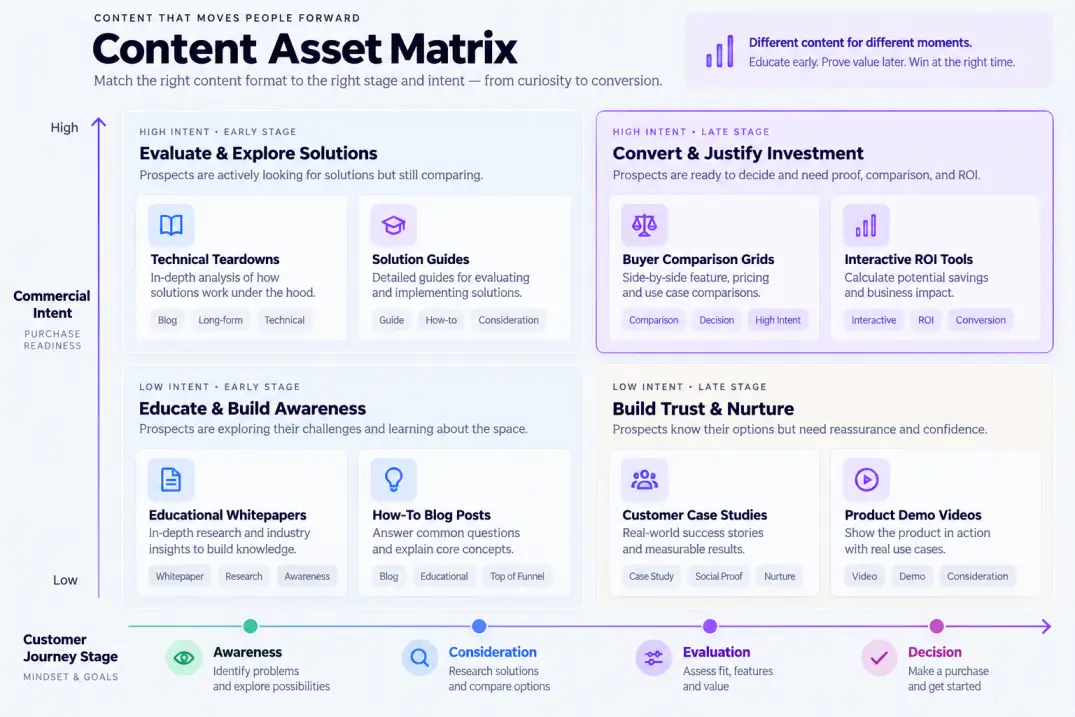
Your prospects move through distinct cognitive states before making a purchasing decision. A robust trajectory ensures your production output does not skew disproportionately toward top-of-funnel (TOFU) awareness. It balances discovery guides with middle-of-funnel (MOFU) evaluation teardowns and bottom-of-funnel (BOFU) transactional proof points.
4. Operational Velocity and Capacity
A strategy without operational capacity is merely wishful thinking. Your architectural blueprint must factor in team velocity, editing bandwidth, subject matter expert (SME) availability, design requirements, and publication workflows. Setting unrealistic production volumes inevitably degrades quality, leading to thin material that fails search engine quality standards.
Confusing a release schedule with a strategic blueprint is the most common operational error in digital marketing. A schedule tracks due dates; an architectural plan tracks strategic alignment, topical coverage, and business outcomes.
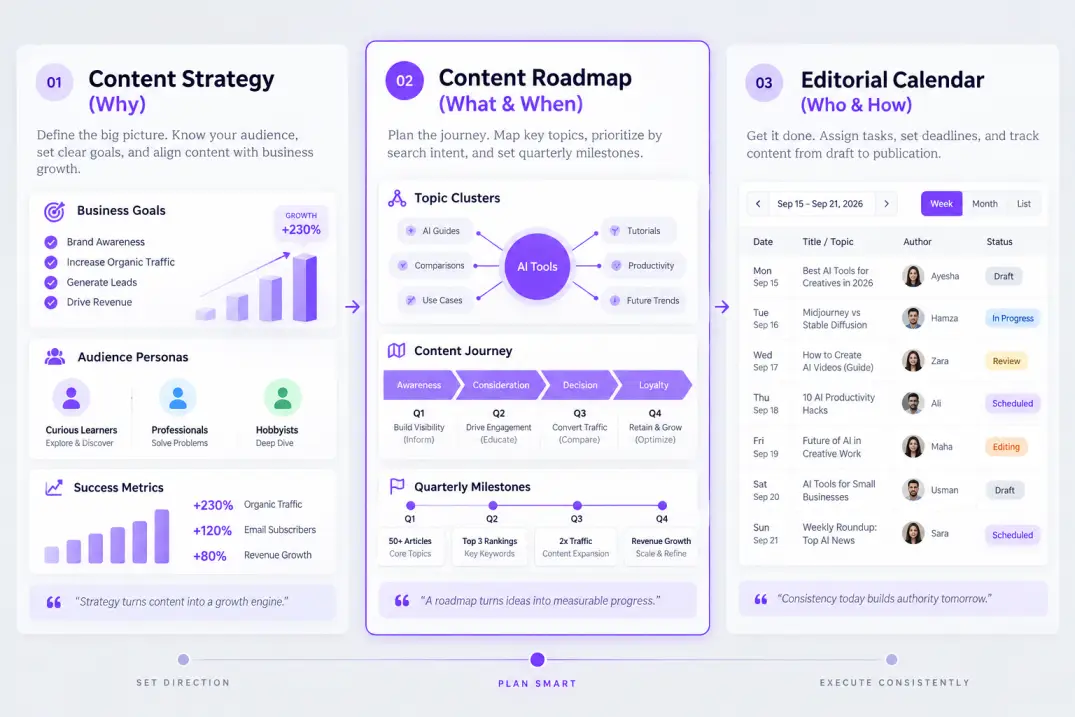
Content Roadmap vs. Editorial Calendar vs. Content Strategy
One of the most persistent misunderstandings in modern marketing is conflating a strategic blueprint with an editorial calendar or an overarching content strategy. While these three assets work together, they solve distinctly different organizational problems.
To understand their distinct roles, look at the operational hierarchy:
| Attribute | Content Strategy | Content Roadmap | Editorial Calendar |
|---|---|---|---|
| Core Question | Why are we creating content and for whom? | What themes are we prioritizing and in what sequence? | When and by whom is each specific draft published? |
| Primary Owner | Chief Marketing Officer / VP of Marketing | Head of Content / Lead SEO Strategist | Managing Editor / Content Operations Lead |
| Time Horizon | 1 to 3 Years | 3 to 12 Months (Rolling Quarters) | 2 to 6 Weeks (Tactical Sprints) |
| Key Deliverables | Brand positioning, audience personas, narrative pillars | Topical clusters, funnel distribution, resource allocation | Draft deadlines, writer assignments, review statuses |
| Granularity | Macro-level strategic vision | Thematic groupings and milestone targets | Micro-level task management and daily workflows |
| Adaptability | Low (changes with company direction) | Moderate (quarterly iterative recalibration) | High (adapts to weekly production shifts) |
Where the Disconnect Happens
When teams skip the middle layer—the architectural plan—they try to leap straight from high-level brand strategy into weekly calendar scheduling. This causes immediate strategic drift. Writers end up pitching topics based on whatever feels interesting on Monday morning, completely uncoupled from your domain authority goals or sales pipeline bottlenecks.
By inserting an operational blueprint between your strategy and your calendar, you establish an unbreakable chain of custody: the company targets a business goal, the roadmap translates that goal into a sequenced cluster of thematic assets, and the editorial calendar executes the day-to-day writing and promotion.
In the official HubSpot Academy training video above, content leaders break down how long-term editorial frameworks bridge the gap between high-level audience journey mapping and daily publishing tasks, ensuring your team builds sustainable organic momentum.
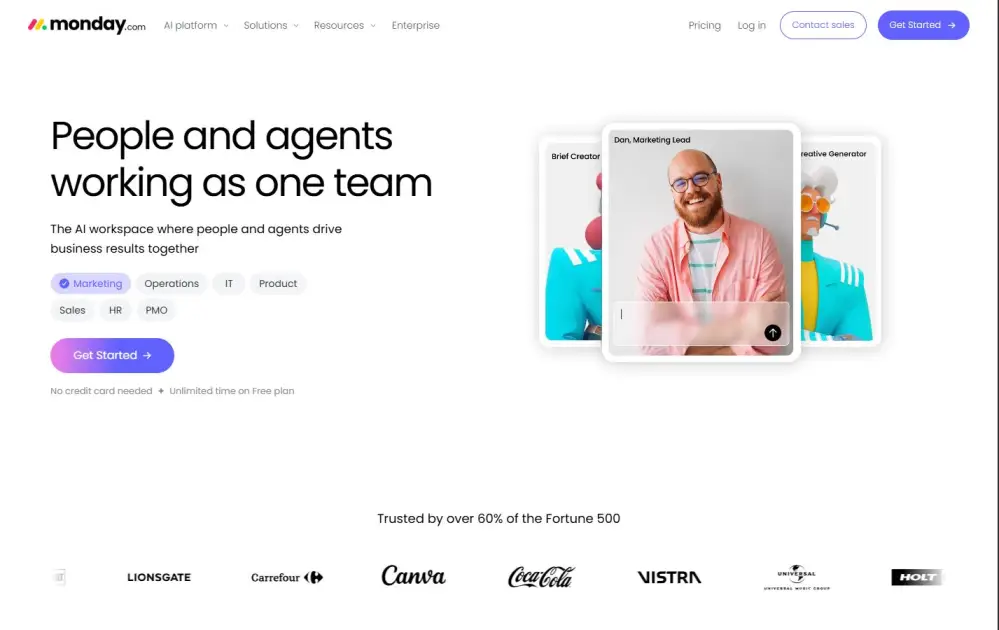
How a Content Delivery Roadmap Works Under the Hood
To manage an editorial trajectory effectively, you must treat your publishing pipeline like an agile software development lifecycle. Rather than treating content as an artisanal, unpredictable process, structured teams organize work into clear operational stages.
Stage 1: Opportunity Discovery & Entity Mapping
Instead of unstructured brainstorming, mature teams begin with data. They analyze customer support tickets, sales call recordings from tools like Gong, competitor search footprint gaps, and semantic search graphs. In accordance with guidelines published in Google Search Central documentation, the objective is to uncover topics where your brand can provide distinct value and genuine first-hand perspective.
Stage 2: Intent Categorization & Business Potential Scoring
Every prospective topic is evaluated through a strict scoring matrix before entering production:
- Search Traffic Potential: Does the theme have verified search demand across organic search or AI answer engines?
- Business Potential Score (1–3): Will the asset allow you to showcase your product or service naturally? A score of 3 means your product is an essential solution to the problem; a score of 1 means your product can only be mentioned tangentially.
- Information Gain Value: Can your team contribute novel data, proprietary benchmarks, or counter-intuitive case studies that do not currently exist on the search engine results page (SERP)?
Stage 3: Phased Cluster Sprints
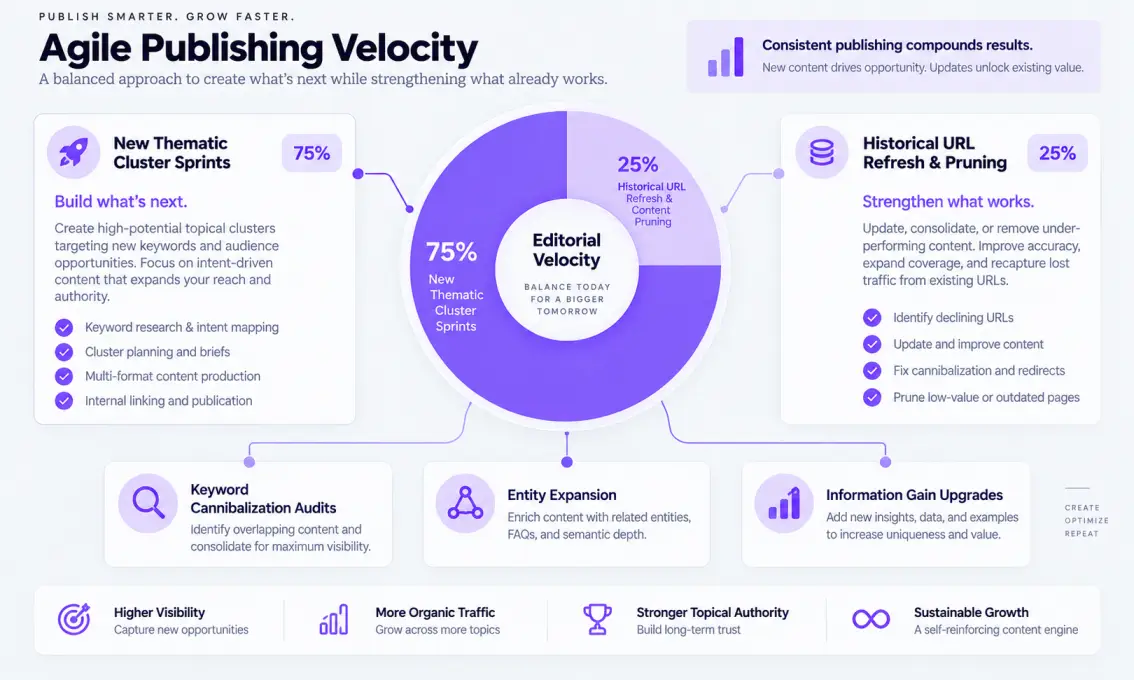
Rather than writing one article about email marketing, one about paid ads, and one about customer retention in the same week, a disciplined team produces thematic clusters sequentially. By publishing 8 to 15 interconnected assets around a single central topic within a 4-to-6-week sprint, search crawler algorithms can quickly index and understand your site's authority on that topic. We explored the mathematical impact of this approach when analyzing how fast-growing brands scale content velocity.
Stage 4: Historical Decay Maintenance
A critical flaw in junior editorial planning is assuming published content retains its ranking power indefinitely. High-performing publication plans allocate 20% to 30% of quarterly production bandwidth strictly to updating, consolidating, or pruning decaying URLs. When you notice rankings slipping, deploying an optimization sprint—as detailed in our diagnostic guide on why your content refresh strategy is not working—is often far more cost-effective than writing net-new pieces from scratch.
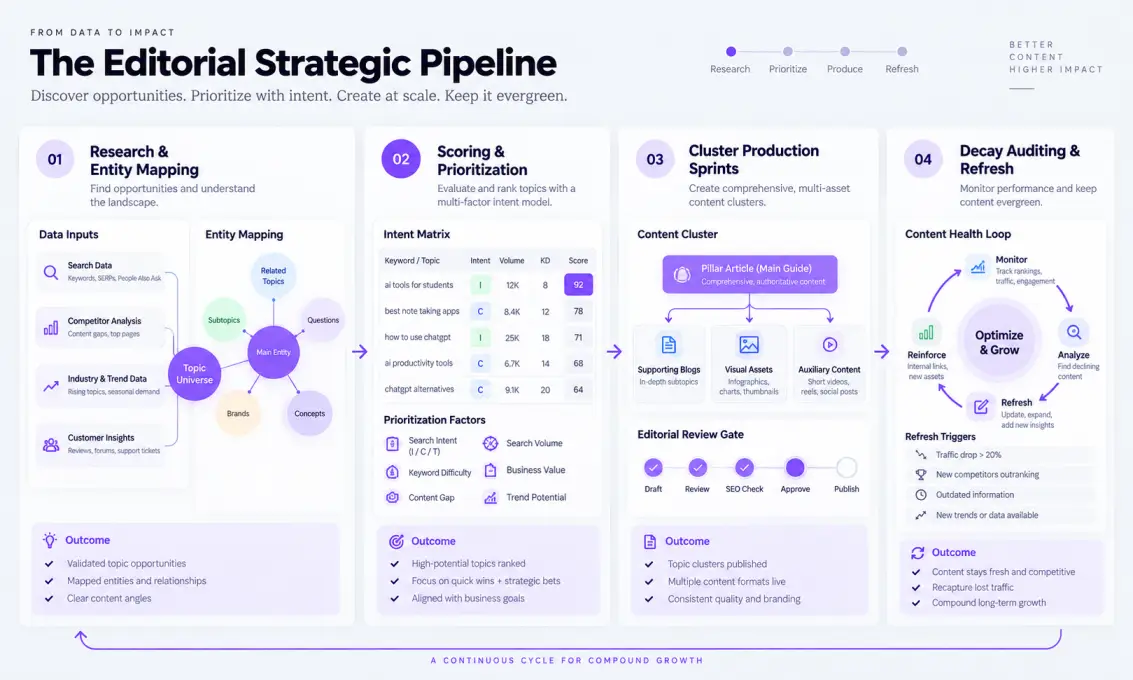
Step-by-Step Blueprint: Building Your DIY Content Roadmap
Building an enterprise-grade execution plan does not require expensive enterprise software. It requires operational discipline and a systematic approach to topic sequencing. Here is the step-by-step process you can implement immediately:
Step 1: Establish Your Revenue and Pipeline Anchors
Begin by defining the commercial outcome your organic content must achieve over the next two to four quarters. For example:
- Increase demo requests from organic search by 35% in Q3.
- Rank for 40 high-intent transactional keywords in our core software vertical.
- Decrease inbound sales cycle duration by 14 days by producing comparison assets that resolve technical buyer objections.
When your commercial targets are explicitly defined, every single initiative on your plan can be justified by how it moves those key performance indicators (KPIs).
Step 2: Conduct a Comprehensive Topical Audit
Before planning future work, catalog your current footprint. Map every existing URL against its core entity, primary keyword, current monthly organic traffic, and conversion rate. Group these URLs into thematic silos.
You will inevitably find two things: massive content gaps where critical sub-topics are completely unaddressed, and redundant articles that cannibalize each other's search rankings. Flag decaying or overlapping URLs for consolidation, and mark empty thematic nodes as high-priority gaps for your upcoming sprints.
Step 3: Map Assets Across the Decision Journey
Organize your planned topics into a matrix based on where they sit along the customer lifecycle:
- Top-of-Funnel (TOFU): Educational explainers, industry terminology definitions, foundational guides (e.g., industry benchmark reports).
- Middle-of-Funnel (MOFU): Evaluation frameworks, "how to choose" guides, workflow templates, tool teardowns.
- Bottom-of-Funnel (BOFU): Direct product comparisons, implementation migration checklists, feature breakdown pages, ROI calculators.
Aim for an initial distribution ratio of 40% BOFU and MOFU assets to 60% TOFU assets. Many teams make the fatal mistake of writing only high-volume TOFU articles, creating massive web traffic that never converts into paying customers.
Step 4: Sequence Production into Thematic Sprints
Organize your topics into monthly or bi-weekly delivery blocks. Ensure that when a pillar guide goes live, all associated supporting articles are scheduled for publication within 30 days. This allows internal links to be woven throughout the cluster immediately, signaling depth and authority to search crawlers.
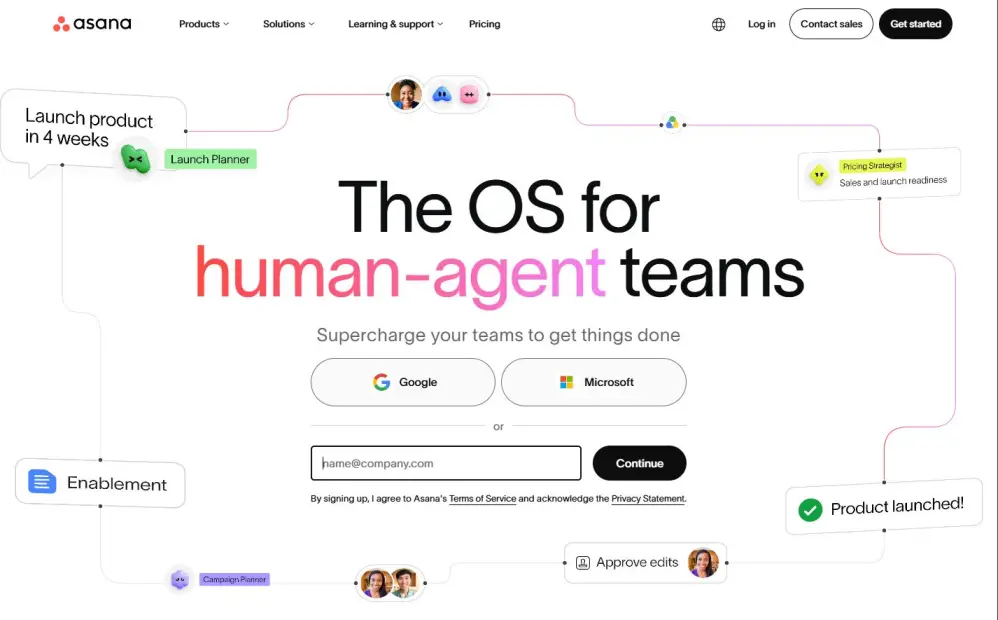
Content Roadmap Tools and Platforms
While a basic spreadsheet can handle early planning, growing marketing teams quickly outgrow static tables. Managing dynamic dependencies, internal reviews, freelancer assignments, and cross-channel distribution requires specialized software or managed services.
1. Dedicated Work Management and Database Platforms
Modern content operations typically rely on flexible relational databases or dedicated project tracking suites:
- Monday.com: Offers visual Gantt charts and customizable timeline views that allow marketing leaders to visualize how editorial sprints align with broader product releases and marketing campaigns. Its native automations make handoffs between writers, graphic designers, and SEO specialists seamless.
- Asana: Renowned for structured dependency tracking. If a pillar guide requires technical quotes from your engineering team before writing begins, Asana ensures the writing task remains blocked until the research sub-task is completed.
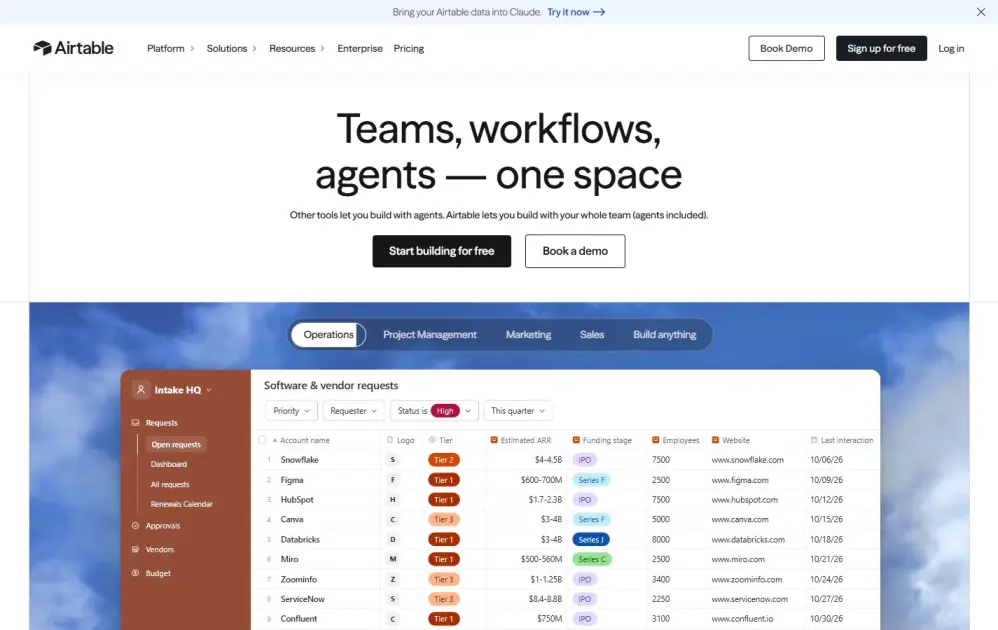
- Airtable: Combines the visual simplicity of a spreadsheet with the relational power of a database. Teams can link target keywords directly to author profiles, persona profiles, distribution channels, and historical performance metrics.
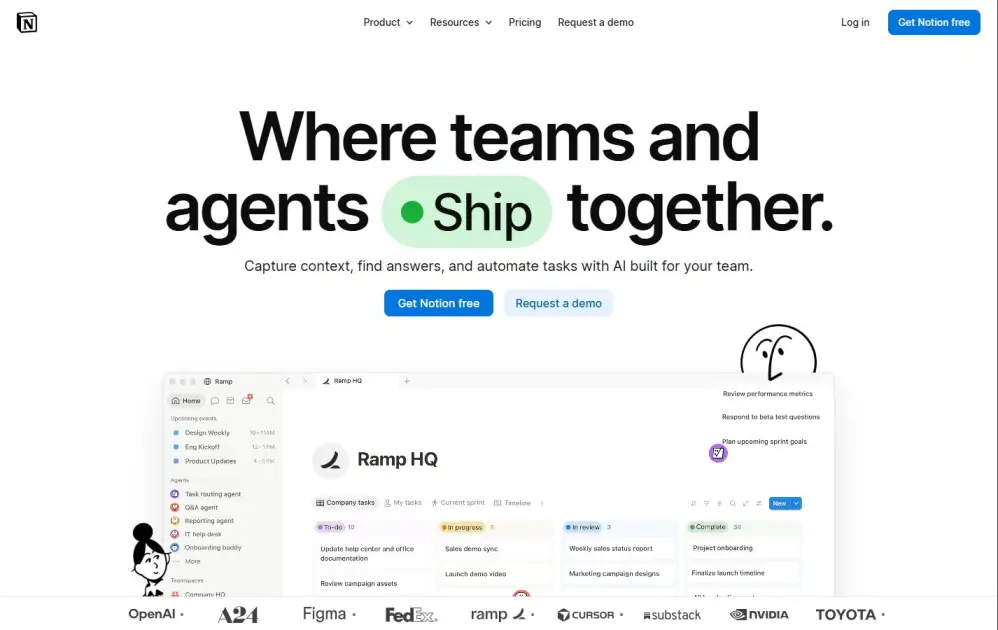
- Notion: An exceptional modular workspace for smaller, agile teams. It allows you to house high-level strategy documentation, style guides, creative briefs, and visual Kanban boards within the same interconnected digital ecosystem.
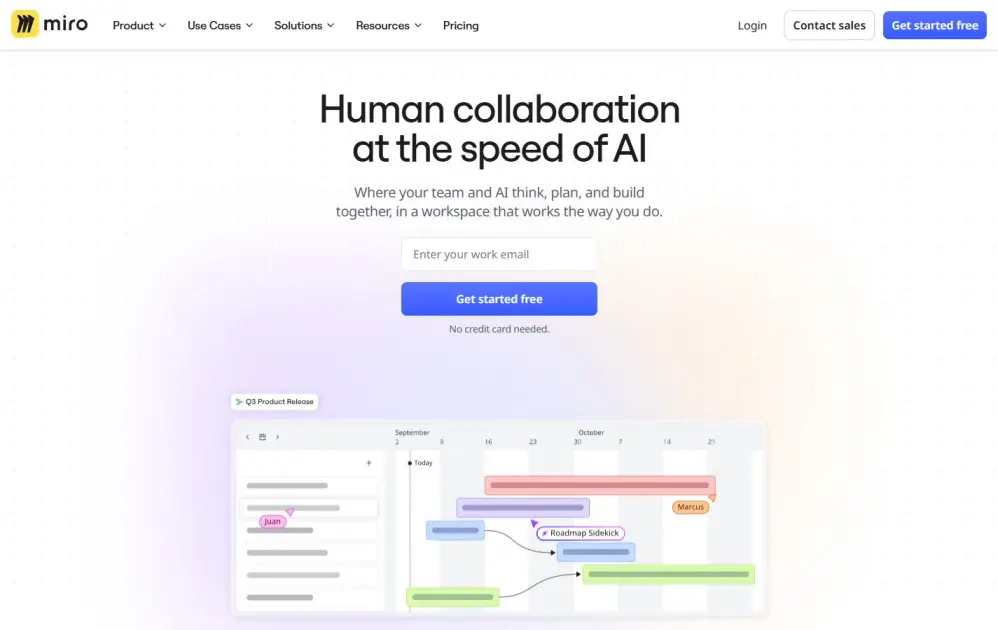
- Miro: The preferred platform for initial discovery and visual mapping. Content strategists use Miro's infinite whiteboards to diagram complex topical entities, cluster relationships, and audience journey flows before locking them into a structured database.
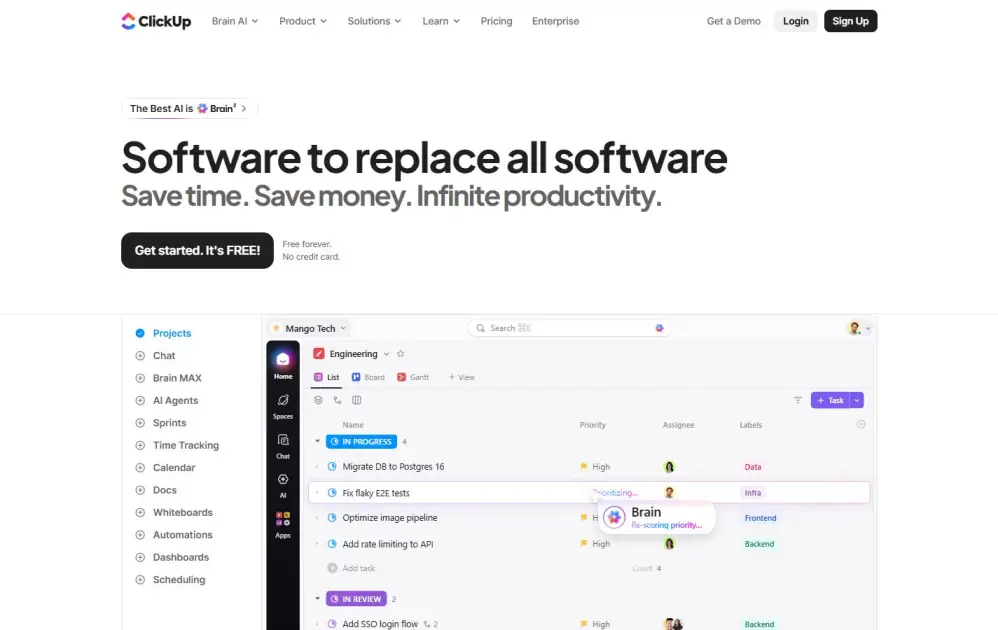
- ClickUp: Built for granular operational control, ClickUp allows content teams to toggle between timeline views, list views, and workload capacity charts to prevent burnout among in-house writers and editors.
2. Specialized Strategic Content Agencies
Organizations lacking internal SEO leadership often partner with specialized content marketing agencies (such as Animalz, Siege Media, or Foundation Marketing). These firms conduct deep audience interviews, analyze competitive SERPs, and deliver fully researched quarterly strategic blueprints. While costly—often ranging from 25,000 per month—they eliminate guesswork for executive teams who need turnkey organic growth pipelines.
3. Autonomous Content Platforms
For organizations that want the strategic rigor of an agency without the excessive overhead and slow turnaround times, modern autonomous platforms have emerged. One effective way to accelerate this pipeline is to use platforms like Qoreta, which autonomously uncover low-competition keyword clusters, draft research-backed posts with automatic citations and internal links, and publish directly to your CMS on autopilot. This allows marketing teams to focus on high-level positioning while execution runs consistently in the background.
The Master Directory: 100+ Strategic Content Roadmap Examples Across 8 Verticals
To help you conceptualize how a multi-quarter publication blueprint translates into tangible assets, we have compiled an exhaustive directory of over 100 concrete initiatives. These real-world models demonstrate how distinct industries sequence their production across various buyer journey stages to capture organic demand, nurture prospects, and generate pipeline.
Vertical 1: B2B SaaS & Cloud Software
- The Ultimate Cloud Migration Security Checklist (BOFU): Technical compliance guide targeting IT directors evaluating enterprise migration risks.
- Kubernetes vs. Docker Swarm: Architectural Teardown (MOFU): Deep-dive infrastructure comparison highlighting container orchestration trade-offs.
- How to Calculate Customer Acquisition Cost for Subscription SaaS (TOFU): Foundational finance explainer designed to attract early-stage startup founders.
- SOC 2 Type II Compliance Readiness Guide (MOFU): Tactical audit preparation manual capturing security officers preparing for annual accreditation.
- Top 10 Enterprise Single Sign-On (SSO) Providers Evaluated (BOFU): Objective software comparison positioning your solution's identity management features.
- The Complete Guide to CI/CD Pipeline Automation (TOFU): Educational overview explaining continuous deployment frameworks for junior developers.
- Why Microservices Architecture Fails at Scale (Thought Leadership): Counter-intuitive technical essay designed to drive organic links and social shares.
- DevOps Incident Response Runbook Template (MOFU): Downloadable operational template capturing mid-funnel technical team leads.
- Enterprise RBAC (Role-Based Access Control) Implementation Tutorial (BOFU): Technical how-to guide targeting software architects configuring permissions.
- FinOps Playbook: How to Cut AWS Spend by 40% (BOFU): ROI-focused case-study breakdown demonstrating immediate financial value.
- API Rate Limiting Strategies for High-Throughput Systems (TOFU): Architectural tutorial answering specialized developer search queries.
- The True Cost of Software Downtime: Industry Benchmark Report (TOFU): Original proprietary survey data cited by industry publications.
- Zero Trust Architecture Explained for Non-Technical Executives (TOFU): High-level strategic briefing designed to facilitate C-suite consensus.
- Best Datadog Alternatives for Infrastructure Monitoring (BOFU): High-intent competitive alternative roundup capturing active buyers.
- Continuous Database Backup Strategies for Disaster Recovery (MOFU): Practical resilience blueprint for database administrators.
Vertical 2: E-Commerce & Direct-to-Consumer (DTC)
- How to Measure Your Ring Size at Home Accurately (TOFU): Practical utility guide capturing high-volume shoppers before purchasing jewelry.
- Full-Grain Leather vs. Genuine Leather: Quality Comparison (MOFU): Educational material teaching luxury consumers why premium materials cost more.
- The 30-Day Zero-Waste Kitchen Transition Challenge (TOFU): Community-driven lifestyle initiative attracting eco-conscious consumers.
- Complete Linen Bedding Care and Washing Protocol (Post-Purchase Retention): Customer success guide reducing return rates and increasing lifetime value.
- Cast Iron vs. Stainless Steel Cookware: Performance Teardown (MOFU): Comparative culinary analysis driving product recommendations.
- Spring Wardrobe Capsule: 12 Pieces, 30 Outfits (TOFU): Visual styling lookbook linking seasonal apparel items together.
- Why Clean Skincare Ingredients Actually Matter (TOFU): Science-backed explainer addressing consumer health concerns.
- Ergonomic Home Office Setup Guide for Remote Workers (MOFU): Physical wellness guide featuring curated ergonomic desk setups.
- Top 5 Sustainable Sneaker Brands Reviewed (BOFU): Third-party comparison highlighting eco-friendly material certifications.
- The Science of Sleep: How Mattress Firmness Affects Spine Alignment (MOFU): Biomechanical guide assisting customers in selecting mattress models.
- Ceramic vs. Non-Stick Cookware Safety Analysis (TOFU): Investigative explainer addressing toxicity and durability questions.
- How to Spot Counterfeit Designer Handbags: Collector's Guide (TOFU): High-authority authentication guide establishing domain credibility.
- Cold Brew vs. Iced Coffee: Extraction Science Explained (TOFU): Flavor profile comparison driving specialty bean and equipment sales.
- Ultimate Travel Packing Checklist for 14-Day International Trips (TOFU): Evergreen downloadable resource driving luggage and organizer sales.
- Waterproof vs. Water-Resistant Outerwear: Membrane Ratings (BOFU): Technical clothing guide helping mountaineers make informed purchasing decisions.
Vertical 3: Health, Wellness & Fitness Technology
- Zone 2 Cardio Training: The Physiological Protocol for Endurance (TOFU): Evidence-based conditioning explainer capturing dedicated athletes.
- Continuous Glucose Monitors for Non-Diabetics: Clinical Analysis (MOFU): Objective review examining metabolic optimization claims.
- Creatine Monohydrate: Dosage, Timing, and Side Effects (TOFU): Exhaustive research synthesis resolving common consumer hesitations.
- Hypertrophy vs. Strength Training: Periodization Mechanics (TOFU): Biomechanical guide driving personal training app downloads.
- Top 7 Wearable Fitness Trackers Compared for HRV Accuracy (BOFU): Data-driven device teardown capturing high-intent health enthusiasts.
- Intermittent Fasting Schedules: 16/8 vs. 20/4 Clinical Review (TOFU): Medical research breakdown addressing weight management queries.
- How to Fix Anterior Pelvic Tilt: Corrective Exercise Protocol (TOFU): Physical therapy tutorial resolving postural pain.
- Plant Protein vs. Whey Isolate: Amino Acid Profile Analysis (MOFU): Nutritional breakdown targeting fitness enthusiasts evaluating supplements.
- The Neurobiology of Deep Sleep: Temperature and Light Protocols (TOFU): Recovery optimization guide driving smart mattress accessory sales.
- How to Calculate Your Basal Metabolic Rate (BMR) Accurately (TOFU): Interactive calculator tool capturing fitness-seeking search traffic.
- Home Gym Equipment Essentials for Small Living Spaces (MOFU): Practical buyer's guide driving compact fitness machine purchases.
- Understanding VO2 Max: Benchmarks by Age and Gender (TOFU): Data-heavy reference resource attracting performance athletes.
- Knee Rehabilitation Exercises After Meniscus Tears (MOFU): Clinical recovery protocol positioning telehealth orthopedic services.
- Magnesium Glycinate vs. Citrate: Sleep and Recovery Efficacy (MOFU): Biochemical guide directing consumers to appropriate supplement formulations.
- Mindfulness Meditation Protocols for Cortisol Reduction (TOFU): Mental health guide driving wellness app subscriptions.
Vertical 4: FinTech, Banking & Wealth Management
- How to Backdoor a Roth IRA: Step-by-Step Tax Protocol (MOFU): Advanced personal finance tutorial targeting high-income earners.
- Commercial Real Estate Cap Rates Explained for New Investors (TOFU): Foundational underwriting guide capturing nascent property investors.
- Best High-Yield Savings Accounts for Emergency Reserves (BOFU): Regularly updated rate comparison grid driving affiliate and product deposits.
- Traditional 401(k) vs. Roth 401(k): Long-Term Tax Modeling (MOFU): Comparative wealth trajectory analysis with downloadable spreadsheets.
- How to Build a 3-Fund Index Portfolio for Retirement (TOFU): Passive investment architecture guide for retail wealth management platforms.
- Corporate Card Expense Management Policy Template (BOFU): Ready-to-use spreadsheet download capturing corporate finance managers.
- Understanding Capital Gains Tax on Primary Residence Sales (TOFU): Real estate taxation explainer resolving high-stress homeowner questions.
- Series A Fundraising Valuation Models for Tech Founders (MOFU): Venture capital guide capturing high-growth business banking prospects.
- The Comprehensive Guide to Section 1031 Real Estate Exchanges (MOFU): Specialized tax deferral guide for commercial property owners.
- Credit Card Processing Interchange Fees: Merchant Cost Teardown (BOFU): Transparent pricing analysis for point-of-sale hardware evaluation.
- Term Life vs. Whole Life Insurance: Financial Reality Check (MOFU): Critical analysis demystifying insurance sales tactics.
- How to Calculate Working Capital Requirements for Manufacturing (MOFU): Treasury management guide driving commercial loan applications.
- Automated Accounts Payable Workflows: Manual vs. AI Systems (BOFU): Operational teardown highlighting accounting software ROI.
- Estate Planning Essentials: Wills, Trusts, and Power of Attorney (TOFU): Foundational legal-financial guide driving family trust inquiries.
- Currency Hedging Strategies for International Exporters (MOFU): Corporate risk mitigation tutorial for cross-border banking solutions.
Vertical 5: Professional & Legal Services
- LLC vs. S-Corp: Tax Advantages and Formation Mechanics (MOFU): Operational legal comparison capturing new business founders.
- Non-Disclosure Agreement (NDA) Pitfalls: What Founders Overlook (TOFU): Risk management essay addressing intellectual property protection.
- Commercial Lease Negotiation Checklist for Retail Tenants (MOFU): Tactical property law guide driving commercial retainer contracts.
- The Essential Guide to GDPR Compliance for US Software Companies (MOFU): Cross-border regulatory analysis capturing expanding SaaS teams.
- Employee Stock Option Plans (ESOP): Structuring Equity Pools (BOFU): Corporate law advisory piece for venture-backed founders.
- How to Value a Professional Services Firm for Acquisition (MOFU): M&A advisory breakdown for accounting and legal firm partners.
- Independent Contractor vs. W-2 Employee Classification Rules (TOFU): Employment law risk mitigation guide for human resource executives.
- Trademarks vs. Copyrights vs. Patents: IP Protection Guide (TOFU): Introductory intellectual property asset guide driving filing packages.
- Shareholder Buy-Sell Agreement Clauses That Prevent Litigation (MOFU): Governance guide targeting multi-owner corporate partnerships.
- Cybersecurity Breach Notification Laws: State-by-State Breakdown (MOFU): Compliance reference table for enterprise corporate counsel.
- Breach of Contract Remedies: Damages vs. Specific Performance (TOFU): Litigation explainer capturing business dispute inquiries.
- How to Conduct Internal Workplace Harassment Investigations (MOFU): HR compliance manual establishing specialized employment law counsel.
- Franchise Disclosure Document (FDD) Review Checklist (BOFU): Due diligence guide capturing prospective franchise purchasers.
- Corporate Dissolution: How to Legally Wind Down an Entity (MOFU): Step-by-step corporate closure procedure resolving statutory liabilities.
- B2B Master Services Agreement (MSA) Negotiation Playbook (BOFU): Commercial contracting manual targeting VP of Sales and procurement leads.
Vertical 6: EdTech & Online Learning
- Python vs. JavaScript: Which Programming Language to Learn First (TOFU): High-volume career change guide driving coding bootcamp signups.
- How to Build a Machine Learning Portfolio Without Prior Experience (MOFU): Career development guide attracting technical certification students.
- PMP Certification Exam Prep: The 90-Day Study Strategy (BOFU): Professional qualification syllabus driving study course enrollments.
- Data Analyst vs. Data Scientist: Salary, Skills, and Career Paths (TOFU): Comparative career roadmap resolving industry confusion.
- How to Learn Spanish Fluently: The Comprehensible Input Method (TOFU): Pedagogical language acquisition guide driving app adoption.
- Instructional Design Frameworks: ADDIE vs. SAM Explained (MOFU): Enterprise learning methodology tutorial capturing corporate trainers.
- Full-Stack Web Development Roadmap: From HTML to Next.js (TOFU): Comprehensive technical curriculum map driving student enrollments.
- How to Pass the AWS Solutions Architect Exam on Your First Attempt (BOFU): Tactical certification guide driving practice exam sales.
- Digital Nomad Visa Guide: Remote Work Legal Requirements by Country (TOFU): Lifestyle resource capturing remote career transitioners.
- Financial Modeling Best Practices in Excel: Step-by-Step Guide (MOFU): Upskilling tutorial driving corporate finance course enrollments.
- Scrum Master Certification Comparison: CSM vs. PSM (BOFU): Direct certification teardown capturing project management professionals.
- The Science of Spaced Repetition: How Anki Transforms Memory (TOFU): Cognitive learning science breakdown driving digital flashcard adoption.
- How to Transition from Junior Software Engineer to Tech Lead (MOFU): Career advancement guide driving engineering leadership cohort sales.
- UX Design Portfolio Teardown: 5 Case Studies Analyzed (MOFU): Practical design evaluation establishing design academy authority.
- Cybersecurity Career Paths: Penetration Testing vs. Blue Team (TOFU): Industry orientation guide capturing IT security students.
Vertical 7: Real Estate & Property Technology
- First-Time Homebuyer Down Payment Assistance Programs by State (TOFU): Exhaustive directory capturing prospective mortgage borrowers.
- How to Calculate Rental Property ROI Using the Cash-on-Cash Metric (MOFU): Real estate investment guide driving underwriting software signups.
- FHA vs. Conventional Home Loans: Qualification Differences (MOFU): Mortgage financing comparison capturing buyers during pre-approval.
- Home Staging Strategies That Increase Resale Value by 10% (TOFU): Seller enablement guide positioning residential brokerage listings.
- The 1% Rule in Real Estate Investing: When It Fails (MOFU): Analytical property evaluation debunking oversimplified investment heuristics.
- Cost Segregation Studies: Accelerating Depreciation on Real Estate (BOFU): Specialized tax mitigation breakdown driving commercial brokerage services.
- Tenant Screening Protocols: Credit, Background, and Eviction Checks (BOFU): Risk management manual driving property management software adoption.
- How Escrow Works in Real Estate Transactions (TOFU): Transaction closing explainer demystifying residential buying processes.
- Short-Term Rental vs. Long-Term Rental: Yield Analysis (MOFU): Operational comparison capturing hospitality and vacation home investors.
- Home Inspection Red Flags That Should Void Your Contract (MOFU): Buyer protection checklist driving professional inspection bookings.
- Understanding Property Easements and Right-of-Way Restrictions (TOFU): Land ownership legal guide resolving property boundary questions.
- How Rising Interest Rates Affect Commercial Property Cap Rates (TOFU): Macroeconomic analysis establishing commercial advisory thought leadership.
- Modular Construction vs. Traditional Framing: Costs and Timelines (MOFU): Building technology breakdown driving prefab home consultations.
- Property Tax Assessment Appeals: How to Reduce Property Taxes (TOFU): Consumer advocacy tutorial capturing suburban property owners.
- Reverse Mortgages Explained for Seniors and Heirs (MOFU): Retirement equity guide resolving common financial misconceptions.
Vertical 8: Digital Media, Niche Publishing & Creator Operations
- How to Monetize a Niche Newsletter: Sponsorships vs. Paid Subscriptions (MOFU): Media monetization guide driving creator platform subscriptions.
- Podcast Audio Production Setup: Microphone, Preamp, and Room Treatment (TOFU): Studio gear guide driving affiliate hardware revenue.
- Substack vs. Beehiiv vs. Ghost: Modern Newsletter Platforms Evaluated (BOFU): Platform comparison capturing migrating digital writers.
- How to Negotiate Brand Sponsorship Rates for YouTube Channels (MOFU): Creator revenue guide with downloadable rate-card formulas.
- The Mechanics of Programmatic Ad Yield Optimization (MOFU): Technical publishing guide for independent media website operators.
- Email Deliverability Best Practices: SPF, DKIM, and DMARC Setup (TOFU): Technical infrastructure guide preventing spam folder placement.
- Content Repurposing Framework: Turning 1 Video into 10 Assets (TOFU): Operational efficiency guide for solo digital creators.
- How to Run a Virtual Summit That Generates 10,000 Email Leads (MOFU): Event marketing blueprint driving ticket sales and lead generation.
- Membership Community Retention Strategies: Churn Reduction (BOFU): Community management guide for private online networks.
- Affiliate Marketing Compliance: FTC Disclosure Regulations (TOFU): Regulatory protection manual for digital editorial publishers.
Governance, Measurement, and Avoiding Strategic Drift
Publishing an impressive spreadsheet or Kanban board means nothing if your team fails to execute or maintain it. To prevent your strategy from decaying into an abandoned document, you must install clear operational governance.
Establish a Two-Tier Review Cadence
Do not inspect your strategic trajectory at the same frequency you inspect daily writing tasks. Successful organizations separate governance into two operational cadences:
- Monthly Operational Check-In: Focuses exclusively on velocity and blockers. Are writing sprints hitting deadlines? Have graphic assets been delivered? Are technical CMS staging workflows operating smoothly?
- Quarterly Strategic Pivot: Evaluates business outcomes against expectations. Review which thematic silos have captured organic search traffic and generated pipeline. If a specific cluster fails to gain traction after six months, analyze whether search intent shifted, domain authority was insufficient, or whether the theme should be abandoned in favor of higher-yield topics.
Key Metrics for Measuring Roadmap Health
Traditional vanity metrics like raw pageviews tell you very little about whether your plan is succeeding. Instead, monitor these four operational health indicators:
- Sprint Adherence Rate: The percentage of planned cluster assets published within their designated sprint window. An adherence rate below 75% indicates your resource planning is unrealistic.
- Topical Entity Saturation: The proportion of total search queries within a defined topical silo for which your domain holds a top-10 ranking position.
- Assisted Conversion Pipeline: The dollar value of enterprise opportunities or transactions that interacted with at least one roadmap asset along their customer journey.
- Indexation and Ranking Velocity: The average number of days between an asset's publication and its first page-two or page-one ranking in search engines.
Bringing It All Together: Executing with Discipline
A winning editorial framework is never static; it is a living, breathing instrument that evolves alongside your audience's challenges, search engine algorithm updates, and your company's commercial trajectory.
By taking the time to define clear business anchors, organize your production into sequenced thematic clusters, balance your assets across every stage of the buyer's journey, and enforce strict quarterly governance, you eliminate the frantic guesswork that plagues amateur marketing teams.
Instead of asking what to write next week, your team will execute with certainty, knowing that every piece of published content serves as a permanent brick in your digital growth engine.
Artificial Intelligence
Intelligence without limits.
We believe great content deserves honest authorship—even when it's AI.
Frequently Asked Questions
Maintain a rolling 12-month horizon that is lightly reviewed monthly for velocity blockers and thoroughly audited quarterly for performance shifts. Major pivots should only occur during quarterly reviews based on search intent changes, algorithm updates, or shifts in core product offerings.
The most frequent mistake is jumping directly from high-level company goals into scheduling weekly calendar deadlines without mapping topical entity clusters or assessing commercial intent. This leads to disconnected articles that fail to build domain authority or drive pipeline.
Most high-performing publishing engines group between 6 and 12 interconnected pieces per sprint. This typically includes one comprehensive cornerstone or pillar asset supported by 5 to 11 specific sub-topic articles published within a 30-to-45-day window.
Yes. A solo marketer benefits even more from a structured plan because it eliminates decision fatigue. A single writer should narrow their focus to one targeted cluster per quarter rather than trying to cover five disparate topics simultaneously.
Reserve an intentional 10% to 15% buffer in your monthly production capacity for reactive or opportunistic content. When an unexpected news cycle occurs, you can deploy reactive assets without derailing your foundational evergreen cluster deliverables.
High-performing publication plans allocate 20% to 30% of quarterly production bandwidth strictly to refreshing or consolidating existing assets. Pruning underperforming pages and updating decaying content protects search crawl budget and maintains established rankings.